“Thinning Hair” & “Hair Loss” Become a Concern With Age for Both Men and Women! What Should You Do?

Both Men and Women Struggle With Thinning Hair and Hair Loss.
Isn’t thinning hair and hair loss something everyone worries about?
In fact, thinning hair isn’t a concern for men alone — many women also develop this concern as they age. Even when you want to enjoy hair coloring or perms, damaged hair or lack of volume can get in the way, making this a shared concern for both men and women.
Hair volume is also linked to looking youthful, so for those who want to appear youthful and healthy, hair is an important factor.
So this time, we’ll introduce ways to prevent thinning hair and hair loss♪
First, Let’s Understand the Causes!
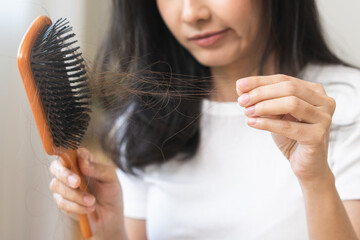
There are various causes of thinning hair and hair loss. Let’s go over some of the most common ones.
1. Genetic and Hormonal Influences
Have you given up, thinking “my family has thin hair, so…”? It’s true that genetics can be one factor in thinning hair. In men in particular, this is often what’s called AGA (androgenetic alopecia). It’s caused by hormones being converted into a form that negatively affects the hair follicles. If treatment isn’t started early, the cycle of new hair growing from the follicles can come to an end. It’s said that thinning hair is often inherited if the maternal grandfather had thinning hair. Some people even start AGA treatment as early as their 20s.
For women, changes in hormonal balance are often involved, and many experience increased hair loss especially after childbirth or during menopause. As you age, hair quality also changes, and damage-related hair breakage can also contribute to thinning hair.
2. Deterioration of the Scalp Environment
If the scalp, which is the foundation of your hair, isn’t healthy, healthy hair can’t grow. For example, excessive sebum production, poor blood circulation, and UV damage all worsen the scalp environment. This is said to lead to thinner hair and hair loss.
3. Disrupted Lifestyle Habits
For example, growing hair requires nutrients such as protein, vitamins, and zinc. Excessive drinking and smoking are also contributing factors. When stress increases, blood flow worsens, and the nutrients needed by the hair follicles fail to reach them, which can slow down the normal hair growth cycle. When the normal hair cycle is delayed or sped up, strong hair fails to grow and immature, thin hair grows instead, making it more prone to falling out.
4. Aging
As you age, the hair growth cycle inevitably becomes disrupted. Thinner hair and slower growth are both largely influenced by aging.
So, What Should You Do?
Now that you understand the causes, let’s move on to introducing some specific countermeasures! Since all of these are things you can start today, please give them a try.
1. Improve Your Lifestyle Habits
Hair health is directly linked to overall body health. Support your hair’s growth by eating a balanced diet and getting enough sleep. The following points are especially important.
- Get plenty of protein — Actively consume protein from fish, meat, eggs, and soy products, as these become the building blocks of hair.
- Supplement vitamins and minerals — B vitamins, zinc, and iron are essential for hair growth. Be sure to eat plenty of vegetables, nuts, and seaweed.
- Avoid accumulating stress — It’s also important to take time to relax through exercise or hobbies.
2. Take Careful Care of Your Scalp
Let’s review your daily shampoo and treatment routine.
- Choose a gentle, low-irritation shampoo — Scalp-friendly scalp shampoos and organic products are recommended.
- Incorporate scalp massage — While shampooing or after bathing, gently massage your scalp to promote blood circulation.
- Don’t forget UV protection — It’s also important to prevent scalp sunburn using hats or UV protection sprays.
3. Use Hair Growth Products or Supplements
Over-the-counter hair growth products and scalp treatments are strong allies against thinning hair. Using dedicated products that contain minoxidil makes the effects easier to notice. For those who are hesitant to start taking medication right away, there are also specialized supplements that are good for the hair. At our clinic, you can purchase a supplement called SHEE+, which is packed with ingredients said to be beneficial for hair.
We also recommend regularly taking readily available supplements such as minerals, zinc, and vitamins.
4. Specialists
If you feel that “I’ve tried what I can do myself but it’s not working,” consulting a specialized clinic is another option. AGA clinics and cosmetic dermatology clinics can offer oral medications, topical treatments, and even the latest treatment methods.
With AGA treatment, many people notice results after about 5 months of consistently taking Zagallo (dutasteride) or minoxidil, so it’s also recommended for those who want to see results quickly. Minoxidil prescriptions are also available for women, so if you’re interested, it’s a good idea to go for a consultation. Oral medication is prescribed after a simple blood test. Since effective treatments can also come with side effects, we recommend checking thoroughly before starting.
Also, please avoid obtaining medications yourself through overseas mail order, as this is extremely dangerous.
It’s Important to Take a Long-Term Approach!
Measures against thinning hair rarely produce dramatic results right away. However, by continuing your daily lifestyle habits and scalp care, your hair’s health will steadily improve. Please keep observing your condition and continue at a comfortable pace.
Your hairstyle and hair health greatly influence the impression you give others. That’s why, if thinning hair or hair loss starts to concern you, it’s important to begin taking action early. Why not start with what you can do right now?
We hope this article gives you some helpful hints for your hair loss prevention efforts! Let’s all start taking better care of our hair from today♪