Achieve Beautiful Skin With Winter Flavors. Which Foods Are Effective for Beautiful Skin?

A Must-Read for Those Who Want Beautiful Skin Just by Eating. Winter Skincare Through Food.
Now that December has arrived, the cold days keep coming, don’t they~! As the author, I’m quite concerned that, due to global warming, it’s becoming harder to feel Japan’s cherished four seasons.
Even though it’s still December, there are occasional warm, comfortable days. Both your physical condition and your skin keep changing back and forth, and it’s hard to keep up, isn’t it?
This time, we’ve put together a summary of winter foods in season from December to February that can help you achieve beautiful skin. We hope you can enjoy winter while incorporating things that are good for your skin and health!
5 Selected Winter Flavors
Winter flavors offer an abundance of ingredients and dishes unique to the cold season, allowing you to not only warm your body but also fully enjoy delicious food. Let’s introduce some representative winter flavors.
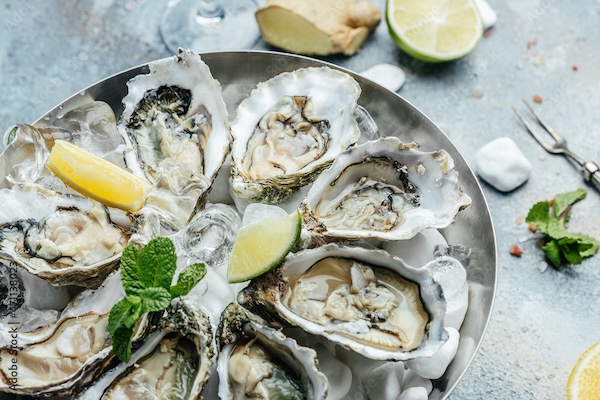
1. Seafood
Crab: Snow crab and king crab come into season. Enjoying them in hot pot, grilled, or crab sukiyaki style is classic.
Oysters: Oysters, the king of winter flavors, are known for their rich umami and can be enjoyed in hot pot, gratin, or raw.
Yellowtail: Fatty winter yellowtail shines in a variety of dishes, including sashimi, shabu-shabu, and teriyaki.
Monkfish: Monkfish hot pot is a luxurious winter dish, known for the rich flavor of its liver (ankimo).
2. Vegetables
Napa Cabbage: An essential vegetable for hot pot dishes. Winter napa cabbage becomes sweeter and is also perfect for soups and pickles.
Daikon Radish: When simmered until soft, its sweetness increases, making it a star ingredient in oden and simmered dishes.
Green Onion: Winter green onions have a strong sweetness and can be enjoyed as a garnish, in hot pot dishes, or grilled.
Turnip: A winter vegetable that offers a melt-in-your-mouth texture when simmered or made into soup.
Spinach: Winter spinach has a strong sweetness, making it perfect for salads, ohitashi, and soups.
3. Fruits
Mandarin Oranges: A classic winter fruit that goes hand in hand with the kotatsu. Rich in vitamin C, they’re also great for cold prevention.
Apples: With a perfect balance of sweetness and tartness, apples are enjoyed raw as well as baked or used in desserts.
Persimmons: Enjoyed as sweet persimmons or dried persimmons, this nutrient-rich winter flavor is a treat.
Strawberries: In season from winter through spring, their sweet-and-sour flavor is also perfect for desserts.
4. Hot Pot Dishes
Sukiyaki: A luxurious winter classic where beef and vegetables are simmered in a sweet-and-savory broth and eaten dipped in raw egg.
Shabu-Shabu: A light dish where thinly sliced meat and vegetables are briefly dipped in broth before eating.
Yosenabe (Mixed Hot Pot): A home-cooking classic featuring plenty of simmered seafood, meat, and vegetables.
Kimchi Hot Pot: The spicy soup warms the body and pairs wonderfully with vegetables and meat.
5. Sweets
Zenzai / Oshiruko (Sweet Red Bean Soup): A warm sweet treat where you can enjoy the rich flavor of mochi and red bean paste.
Roasted Sweet Potato: Winter sweet potatoes become sweeter, and their fluffy texture is a real charm.
Mont Blanc: A winter dessert classic featuring cream that highlights the sweetness of chestnuts.
Which Winter Foods Help You Achieve Beautiful Skin?
Among the winter flavors introduced above, some are especially recommended for skincare through food.
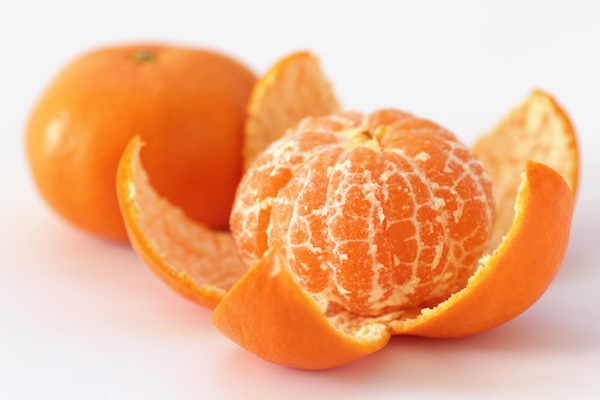
1. Mandarin Oranges (Citrus Fruits)
Beauty Components: Vitamin C, β-cryptoxanthin
Effects:
Vitamin C promotes collagen production and helps prevent spots and dullness.
Its antioxidant effect reduces damage caused by UV rays and aging.
How to Eat: Eating them as-is is the easiest way. Drying the peel and drinking it as an herbal tea is also recommended.
2. Oysters
Beauty Components: Zinc, taurine, vitamin B12
Effects:
Zinc promotes skin turnover and helps maintain healthy skin.
Taurine improves blood circulation, helping deliver nutrients to the skin.
How to Eat: Delicious eaten raw with a squeeze of lemon, or used in hot pot or gratin.
3. Sweet Potato
Beauty Components: Vitamin C, β-carotene, dietary fiber
Effects:
Vitamin C supports a brightening effect and helps prevent spots.
Dietary fiber improves gut health and helps reduce skin irritation.
How to Eat: Roasting or steaming brings out its sweetness, making it delicious and enjoyable like a dessert.
4. Yellowtail (Winter Yellowtail)
Beauty Components: DHA, EPA, vitamin D
Effects:
Its high-quality fats help retain skin moisture and prevent dryness.
Vitamin D supports skin regeneration and helps slow aging.
How to Eat: Delicious prepared as teriyaki or shabu-shabu.
5. Spinach
Beauty Components: Vitamin C, β-carotene, iron
Effects:
Vitamin C and β-carotene exert antioxidant effects, helping maintain skin firmness.
Iron improves blood circulation, supporting bright, dullness-free skin.
How to Eat: Using it in ohitashi, soups, or as a hot pot ingredient lets you absorb its nutrients without waste.
6. Daikon Radish
Beauty Components: Vitamin C, enzymes
Effects:
Vitamin C promotes a brightening effect.
Digestive enzymes help balance gut health and prevent skin irritation.
How to Eat: Preparing it as oden or in simmered dishes warms your body while also providing beauty benefits.
Summary
Winter flavors are rich in vitamin C, β-carotene, zinc, dietary fiber, and other nutrients effective for beautiful skin. By actively incorporating these ingredients, you can prevent dryness and dullness and work toward clear, radiant skin. By enjoying them deliciously and in a balanced way, you can maintain healthy, beautiful skin!
Wouldn’t it be great to enjoy delicious food while also improving your skin? Please keep this in mind the next time you savor the flavors of winter.