Isotretinoin Oral Medication
Isotretinoin

Isotretinoin (Acnetol) Oral Medication

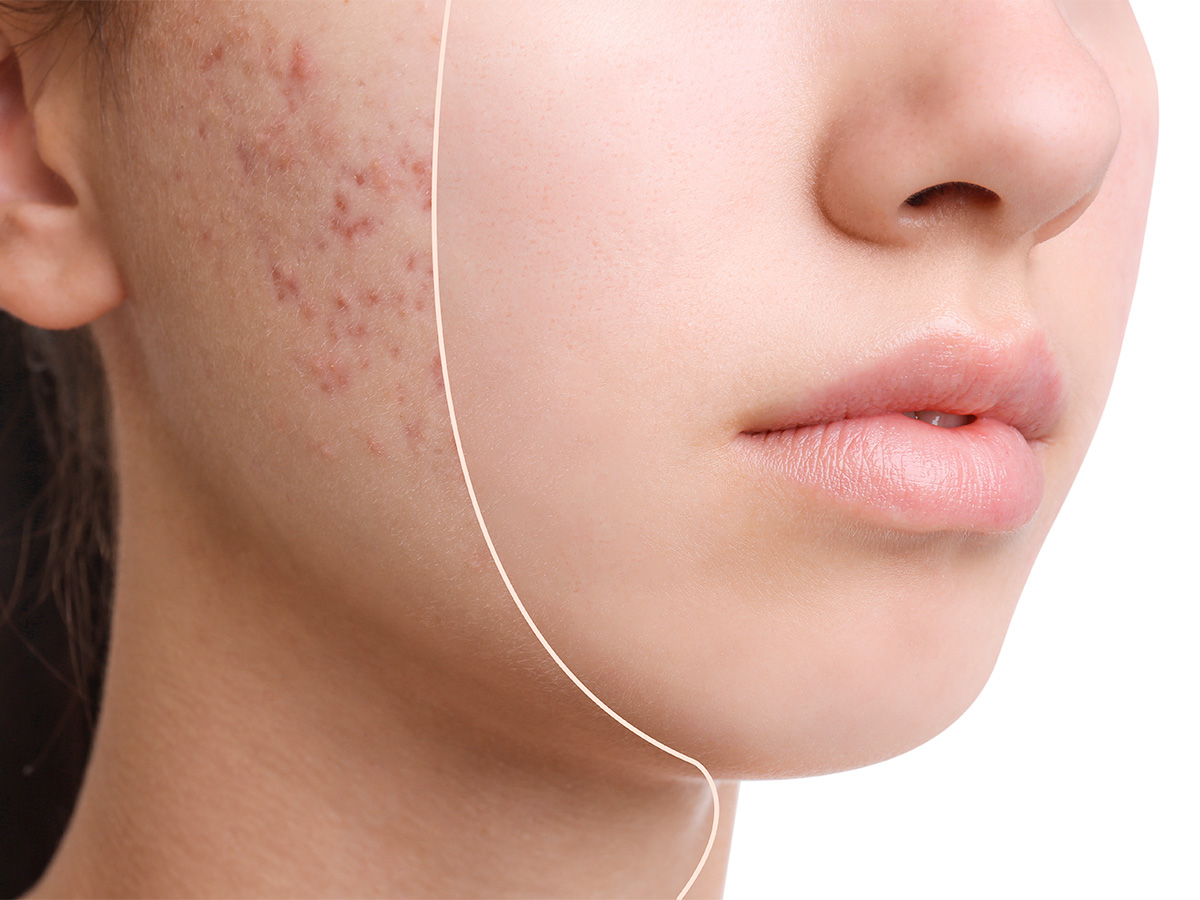
For persistent acne, difficult inflammatory acne, and sebum-rich skin type, an internal-treatment option is isotretinoin oral medication, Acnetol.

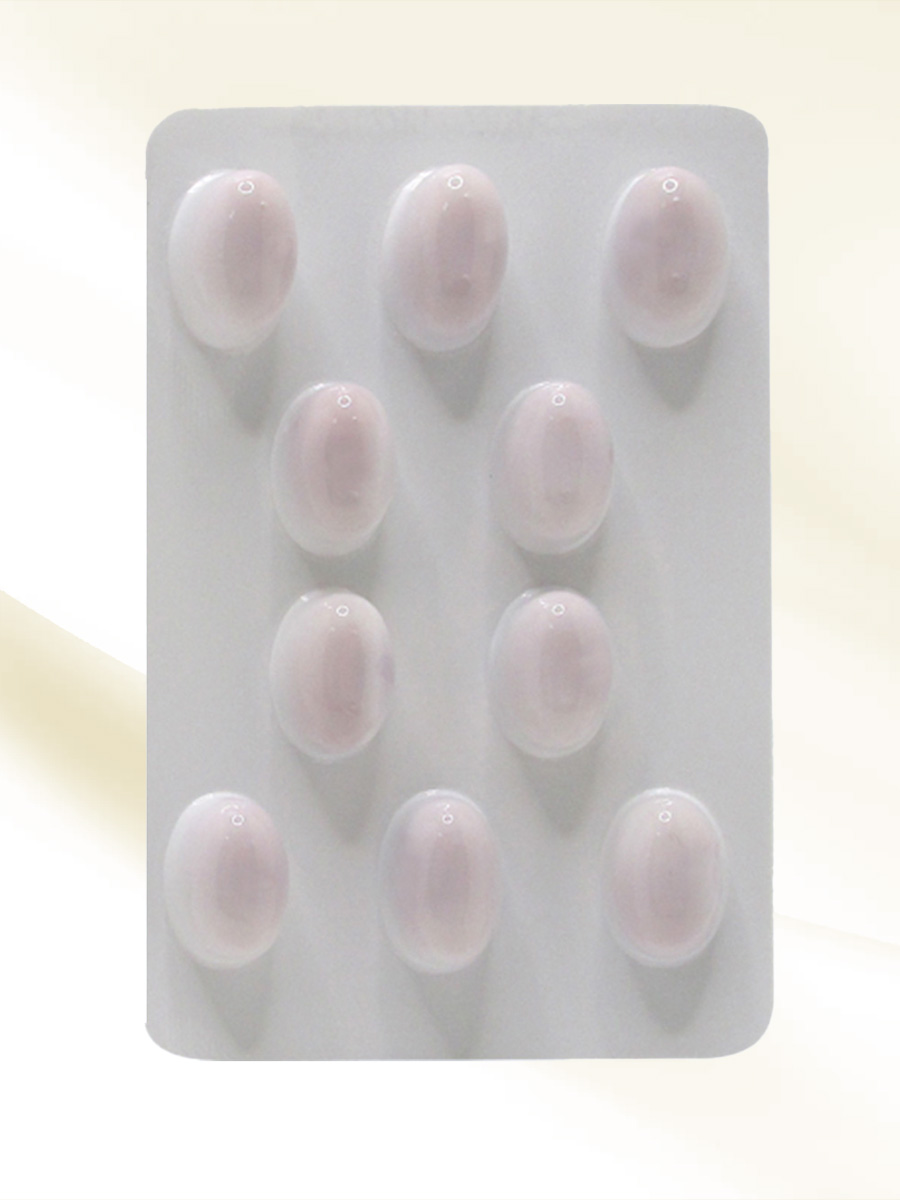
Acnetol is an oral medication whose active ingredient is isotretinoin (Isotretinoin).

Isotretinoin is a type of retinoid (vitamin A derivative) and is a highly effective oral treatment for severe acne and recurring inflammatory acne.

Because it suppresses multiple causes of acne — clogging of pores, excessive sebum production, the proliferation of acne bacteria, and inflammation — it is expected to have such reliable efficacy that it is sometimes called a “last resort” for acne treatment. Isotretinoin is commonly prescribed in the United States as a first-line acne medication, but it is an unapproved medication in Japan.

Acnetol is manufactured by NOD in India, and it is sold in Japan under supervision from Japan, so the package labeling is Japanese.
Isotretinoin

Effects and benefits

Inflammatory acneComedonesSebum overproductionAdult acneWide-area acne

1. Powerful suppression of sebum production

Acne is caused by a complex interplay of excessive sebum production, clogged pores, proliferation of bacteria, and inflammation. Isotretinoin suppresses the activity of sebaceous glands and approaches the root causes of acne.

2. Suitable for recurrent and treatment-resistant acne

Even if acne temporarily improves with topical medication or antibiotics, it can come back once the medication is stopped. Isotretinoin is often used to improve chronic acne tendencies.

3. Early intervention to reduce acne scars

If severe inflammatory acne continues for a long time, it can lead to persistent redness, pigmentation, and pitted scars. Appropriate treatment before inflammation lasts can help reduce future skin damage.
Recommended for

  • Acne appears repeatedly in the same spot
  • Red or pustular acne is difficult to heal
  • Oily skin that feels constantly sticky
  • You want to treat acne thoroughly before it becomes a scar
  • Repeated acne on the back or chest as well as on the face
  • You want to improve acne from the root

How to take

  • Usually once a day after meals that ideally contain fat (dose adjusted by weight)
  • One course is 5 months (maximum 6 months)
  • If the effect is insufficient after one course, take a 3-month break, and consider a second course

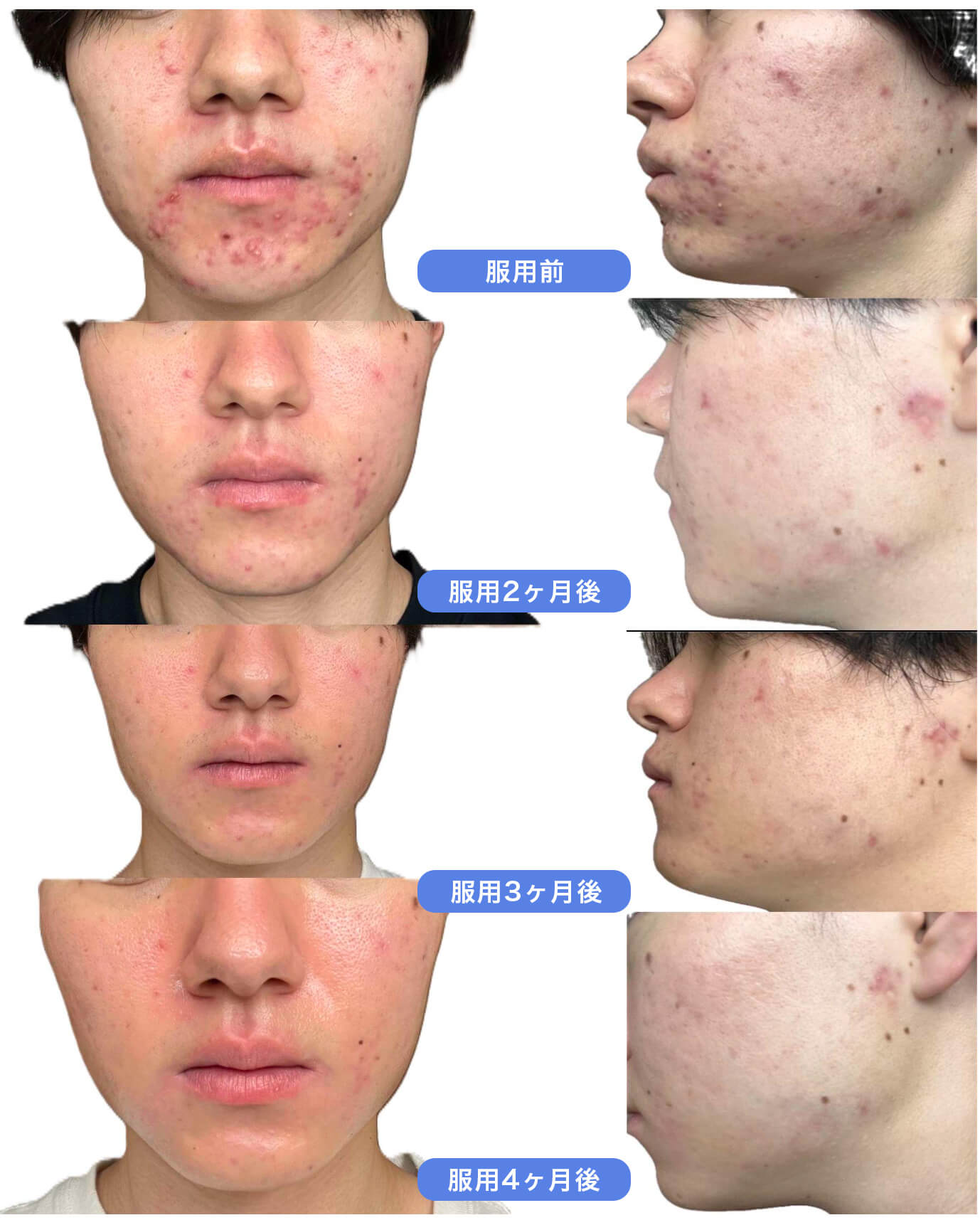
Case

Isotretinoin
Course with Acnetol 20mg

・Male in his 20s
・4 months after starting 20mg/day

Cautions and contraindications

This treatment uses drugs and/or medical devices that are not approved in Japan.
The drug used for treatment is individually imported under the judgment and supervision of the clinic physician.

Contraindications
  • Pregnant or breastfeeding, or trying to conceive
  • Within 6 months of LASIK surgery
  • Under 18 years old (growth period)
  • Currently taking tetracycline antibiotics (Minomycin, Vibramycin, Ledamycin, Acromycin V). After stopping, allow a 2-week interval before prescribing.
  • Taking systemic steroids; allergies to parabens, soy, peanuts; aspirin-induced asthma
  • Severe hepatic dysfunction, renal dysfunction, hyperlipidemia, hypercholesterolemia, hypervitaminosis A, ulcerative colitis, Crohn’s disease, depression or depressive tendency
  • Chronic respiratory disorders (may worsen)
  • Severe muscle weakness or atrophy (may worsen)
  • Angle-closure glaucoma or predisposition such as narrow angles (may worsen symptoms)
Precautions
  • Common side effects include dryness of the lips, rough/dry skin, and dryness of eyes, nose, and throat.
  • Nosebleeds, thinning of the stratum corneum, peeling, nail changes, hair loss, headache, telangiectasia, muscle pain, and joint pain may occur.
  • Regular blood tests are needed because liver function and lipid metabolism can be affected.
  • Teratogenicity: cannot be used during pregnancy, breastfeeding, or while trying to conceive.
  • No blood donation during treatment and for 6 months after discontinuation.
  • If blood test results are poor, medication may not be prescribed; because it is a pharmaceutical product, refunding unused medication is not possible.
  • In about the first month, acne may temporarily worsen as a flare.
  • Dermatologic procedures are generally avoided during treatment; treatment can resume 1 month after completion.
  • Cannot be used together with progestin-only oral contraceptives (mini-pill).
  • Avoid direct sunlight and high humidity; store at room temperature.
  • Keep out of reach of children to prevent accidental ingestion.

Frequently asked questions

There are individual differences, but improvements generally appear gradually over several weeks to a few months. Early in treatment, acne may temporarily worsen, but we determine whether to continue by observing skin condition.
Many patients do not relapse after treatment, and it is considered a fundamental treatment, but recurrence can occur.
Under a physician’s management, early detection of adverse effects, correct guidance on how to take the medication, and regular examinations are possible. Safety assurance is the biggest difference.
If there are no contraindications, medication is generally prescribed at the first visit, and blood tests are performed at the same time. You can start taking the medication without waiting for blood test results, but if results are poor, you must stop taking it.
For a 5-month course with blood tests every 2 months, a total of 3 blood tests are required.

Price (include tax)

Isotretinoin 10mg (30 tablets)
1 time¥11,000
4-month set (includes 2 blood tests)¥44,000
Isotretinoin 20mg (30 tablets)
1 time¥14,960
4-month set (includes 2 blood tests)¥59,840
Blood test
Once a month¥3,300