Scientific Treatment for Skin Tone Enhancement
Melasma is a brownish pigmentation that appears on the faces of women, especially symmetrically on the cheekbones, forehead, and upper lip. Some may also appear on the temples, around the mouth, and under the nose. Unlike regular pigmentation, melasma appears due to changes in hormonal balance.
Melasma can worsen with laser treatment for pigmentation. Therefore, when treating melasma, it is necessary to distinguish it from regular pigmentation (senile lentigines) and provide appropriate treatment tailored to the symptoms. Additionally, the essence of melasma is inflammation-induced pigmentation deposition on chronically damaged skin, requiring patient persistence in treatment.

We accurately diagnose regular pigmentation and melasma and conduct thorough counseling. Based on a fundamental treatment approach using medical devices grounded in scientific evidence, we provide meticulous counseling and propose a gradual treatment plan tailored to each patient’s symptoms.
We use medical devices globally acclaimed for their safety and effectiveness in treatment.Those devices ensure safety by selectively destroying the melanin responsible for melasma, without stimulating the surrounding normal skin tissue,and by targeting the crucial point of delivering energy to the deepest layer of the epidermis.

The most common type of melasma appears on the cheekbones and surrounding areas. Because it occurs in a prominent location on the face, it is a symptom that troubles many people. Additionally, since this area is also highly susceptible to UV damage, it is essential to implement care that prevents worsening alongside treatment.
Melasma can also spread extensively under the eyes. Since it often coexists with sun-induced spots, treatment must be approached carefully. When melasma or spots cover a large area, it can make the entire face appear dull, making it difficult to conceal solely with makeup.
Although less common, melasma can also appear on areas like the forehead, temples, under the nose, and around the mouth. Because these are unusual locations for melasma, some patients mistakenly believed they had regular sunspots and used cosmetics for years without seeing results.
The exact cause of melasma is not fully understood, but it is believed to be a symptom caused by changes in hormonal balance, where melanin is excessively produced due to factors such as the influence of ultraviolet rays or skin irritation, leading to pigmentation deposition on the skin.
The color and intensity vary from person to person, and melasma can appear not only on the cheeks but also under the nose, forehead, and around the mouth. Generally, it is a symptom more common in women aged 40-50, known as the menopausal generation, where hormonal balance undergoes significant changes. It is also prone to occur during pregnancy or while taking birth control pills, with female hormones playing a significant role.
Additionally, those who have experienced childbirth tend to develop melasma more easily as they age. However, once menopause is reached, new cases of melasma are rare, and existing melasma gradually fades.
urthermore, there are many cases where melasma on the cheekbone area intensifies due to friction from masks. Therefore, it is advisable to choose masks made of smooth materials with a good texture and suitable size.
In addition to oral medication, melasma can be treated using medical devices such as lasers, high-frequency devices, and needles. It is essential to differentiate melasma from other types of pigmentation and proceed with treatment carefully to avoid excessive stimulation.
If melasma is mixed with other types of pigmentation, melasma treatment is prioritized. Following this, combination therapies such as IPL light therapy or peeling can be combined to not only treat pigmentation but also promote healthier skin, making it more effective. Note that melasma can worsen due to ultraviolet rays or friction. Therefore, it is crucial to continue UV protection and gentle skincare even after melasma improvement.
Each treatment method has its characteristics, including the number of clinic visits, treatment duration, and risk of recurrence. Choosing a treatment method tailored to your needs will lead to satisfactory treatment results.
| Needle RF | Laser Toning | Pico Toning | Tranexamic Acid | |
|---|---|---|---|---|
| Pain | Minimal | Minimal | Minimal | None |
| Swelling | Minimal | Minimal | Minimal | None |
| Downtime | Approx. 1 day to 1 week | Approx. 1 to 3 days | Approx. 1 to 3 days | None |
| Number of Treatments | Approximately 6 sessions | Approximately 5 to 8 sessions | Approximately 7 to 10 sessions | Semi-permanent |
| Treatment Frequency/Session | Approx. 2-4 weeks | Approx. 2 weeks | Approx. 2 weeks | Daily intake |
| Treatment Time/Session | Approx. 60 minutes | Approx. 30 minutes | Approx. 30 minutes | – |
| Risk of Recurrence | Virtually none | Approximately 1 year after treatment | Approximately 1 year after treatment | If medication is discontinued |

To improve melasma, it is necessary to target the ‘basement membrane’—the fundamental layer responsible for skin cell generation.
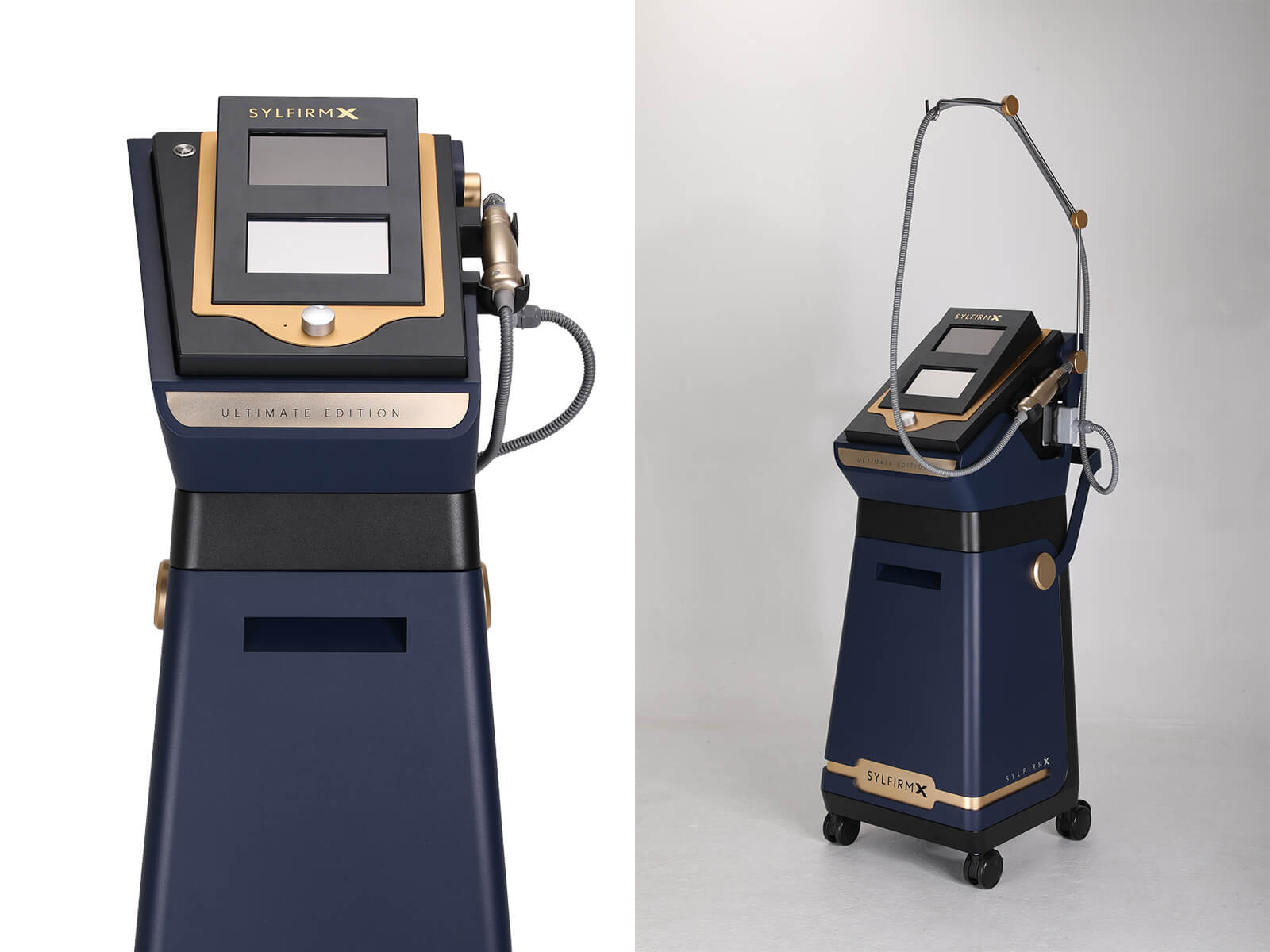
Sylfirm X is a medical device that can reach from the basal membrane at the very bottom of the epidermis to the dermis layer by controlling needle length and wavelength settings. This enables melasma treatment that was difficult with conventional lasers.
Furthermore, fundamentally improving skin quality is essential to prevent melasma recurrence. Silfirm
X utilizes the mechanism of cellular activation that occurs during skin recovery from the damage caused by its microneedles and radiofrequency energy, promoting the regeneration of new skin.
By regenerating healthy skin, Silfirm X also offers the benefit of making melasma less likely to recur.
Approximately 60 minutes (including anesthesia time)

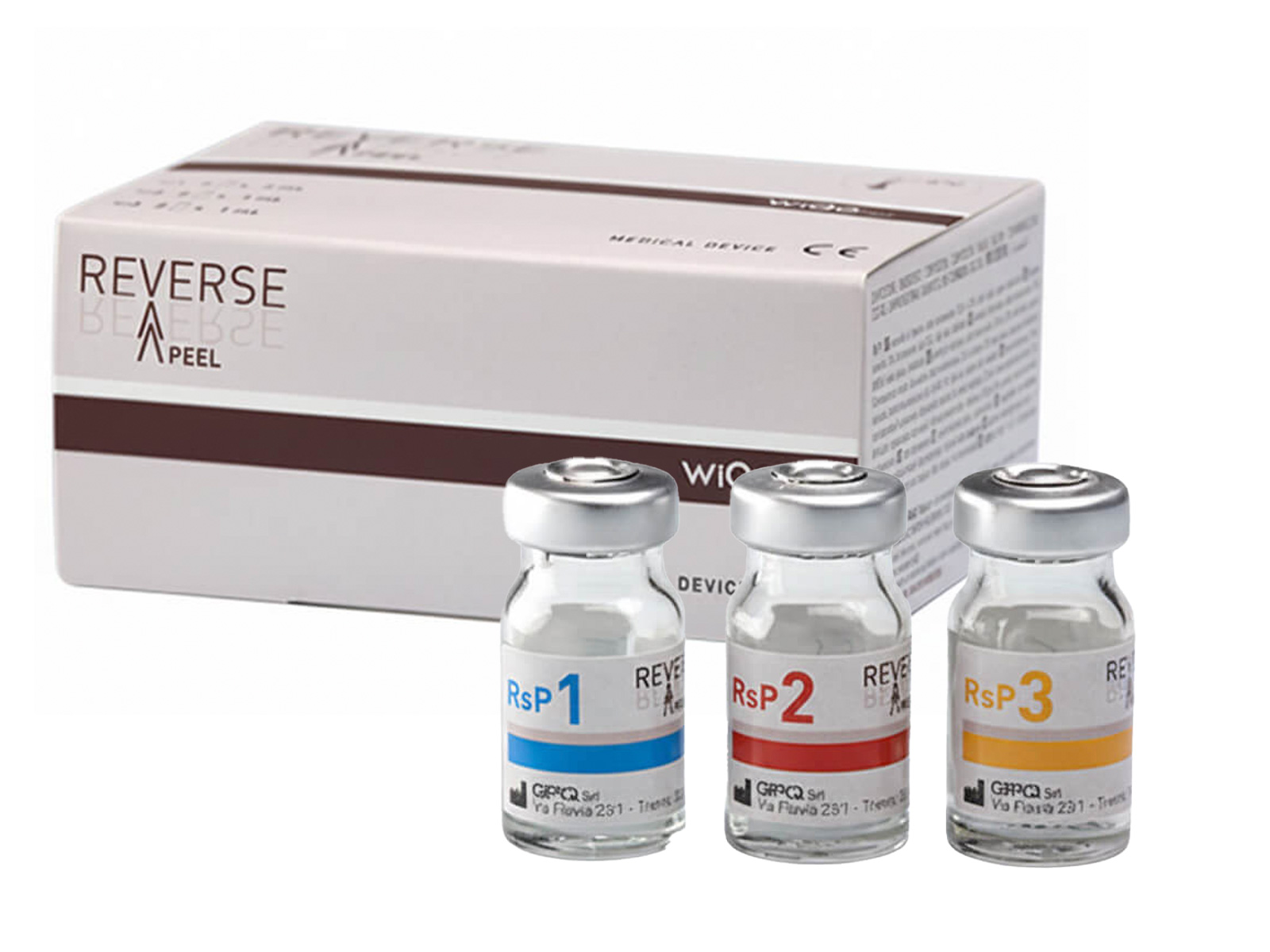
Reverse Peel is a specialized 3-step peeling treatment for melasma and pigmentation, featuring a new peeling agent that combines active ingredients with Collagen Peel (Massage Peel PRX-T33).
By working in reverse from the skin’s deeper layers (dermis) to the surface (epidermis), it targets stubborn pigmentation that is difficult to improve with conventional peels or lasers.
It can also address melasma, which may worsen with laser treatments. By working progressively from the dermis to the epidermis, it suppresses the production of melanin pigment responsible for melasma while promoting collagen production in the skin. This enhances skin firmness and elasticity from within.
Approximately 10 minutes