What’s the Point of Skin Analysis Using a Skin Analyzer?

The skin analyzer our clinic will introduce starting May 10th.
If you’re someone who puts effort into skincare and aesthetic medicine, you may have heard of “skin analysis using a skin analyzer” before. Recently, these devices have been increasingly adopted at clinics, beauty salons, and beauty events, and we’ve entered an era where checking your skin condition has become easy.
That said, many people probably wonder, “How accurate is skin analysis, really?” or “Is there even a point to doing it?”
In this blog post, we’ll clearly explain the meaning and benefits of skin analysis using a skin analyzer, as well as how you can use the diagnostic results in aesthetic medicine and your daily skincare.
What Is a Skin Analyzer?
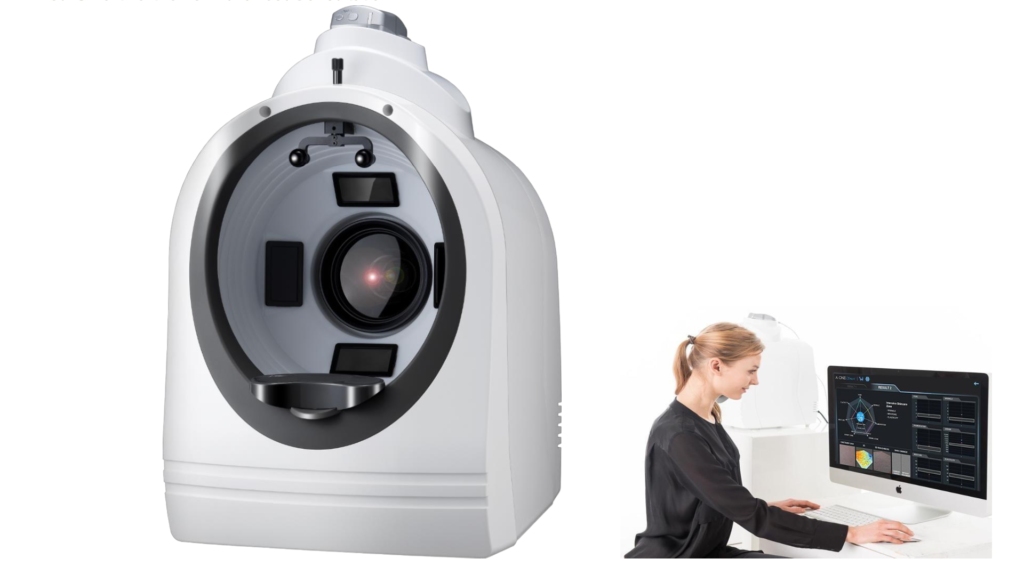
A skin analyzer is a device that uses technologies such as photography and optical sensors to quantify and visualize the condition of the skin’s surface and interior. Clinics use high-performance devices, and their defining feature is the ability to detect hidden skin damage that can’t be seen with the naked eye.
Some of its key functions include the following.
・Sebum level
・Pore size and count
・Moisture level
・Wrinkle depth
・Number and distribution of spots, melasma, and freckles
・Dullness and uneven skin tone
・Estimated skin age
・UV damage (including latent spots, etc.)
Because this information is visualized and quantified as data, you can objectively understand the condition of your own skin.
What’s the Point of Skin Analysis?
So what’s the point of doing skin analysis? The following three points are especially important.
1. “Accurately Understanding” Your Own Skin Condition
Relying on self-judgment alone makes it difficult to accurately determine whether your skin is dry or oily, or whether a mark is a spot or melasma. Using a skin analyzer allows you to clearly identify damage and early warning signs that are invisible to the naked eye.
For example…
・The skin’s surface looked hydrated, but it was actually suffering from inner dryness
・You thought you had just one spot, but there were multiple latent spots deeper in the skin
・The redness on your cheeks wasn’t acne, but dilated capillaries
These kinds of “gaps between appearance and reality” become clear.
2. Choosing Treatment and Skincare That’s Right for You
Accurate skin analysis reveals what your skin needs and what it has too much of, allowing you to choose an efficient skincare or treatment plan without wasted effort.
・Is noticeable pore size better addressed with “sebum care” or “sagging care”?
・Is the spot actually “melasma” or a “solar lentigo”?
・Is redness caused by “inflammation” or a “tendency toward sensitive skin”?
This kind of insight allows you to correctly address the true cause of your skin troubles.
3. “Visualizing” Treatment Results
Even while continuing aesthetic treatments or skincare, you might sometimes worry, “Is this actually making a difference?” In such cases, getting regular skin analyses lets you confirm treatment effects by comparing the numbers over time.
This provides patients with peace of mind and also helps motivate them to continue treatment.
Who We Recommend This For
Skin analysis using a skin analyzer is especially recommended for people who:
・Want to know the skincare that’s right for their skin type
・Aren’t sure what’s causing their spots, dullness, or redness
・Want to start aesthetic medicine but don’t know where to begin
・Want to properly track the results of improving their skin troubles
・Want to address future skin concerns (early warning signs) sooner rather than later
How to Use Your Skin Analysis Results
It’s also important to know how to use the results after receiving your diagnosis. The main ways to apply them are as follows.
Reviewing Your Skincare
Changing how you choose your cleanser or makeup remover
Adding or reducing moisturizing steps
Choosing a serum or cream suited to your skin condition
Selecting Aesthetic Medicine Treatments
Many latent spots or enlarged pores → Consider treatment with Lumecca or Sylfirm X
Lack of skin firmness → Consider Sunekos, massage peels, and similar treatments
Lifestyle Improvement Advice
Understand how disrupted sleep, stress, and diet are affecting your skin
Determine whether you need to strengthen your UV protection
Frequently Asked Questions
Q. How often should I get a skin analysis?
A. In addition to your initial analysis, we recommend re-analyzing before starting treatment and then every 1–3 months. Tracking the same points over time makes changes clear.
Q. Can I get just the skin analysis on its own?
A. Our clinic also accepts consultations for skin analysis alone. If you’d simply like to know more about your own skin first, please feel free to come in for a consultation.
Q. How accurate is skin analysis, really?
A. It depends on the type of device and the environment, but skin analyzers used at medical institutions are quite highly accurate. That said, the analysis results serve as reference data, and we provide the best recommendations by combining them with a doctor’s judgment.
Summary | Skin Analysis Is the First Step in Aesthetic Medicine, Starting With “Knowing Your Skin”
For both skincare and aesthetic medicine, “correctly knowing your own skin” is the starting line. Rather than relying on assumptions or feelings alone, objectively understanding your skin through numbers and images lets you choose care and treatments that directly lead to results.
For those whose skin hasn’t improved no matter what they’ve tried, or who are unsure whether their current skincare is right for them, we strongly recommend skin analysis using a skin analyzer.
The day you start worrying about your skin is the first step toward beautiful skin.
Start by getting to know your own skin first.