Are Fermented Foods Good for Your Skin? Looking at Amazake, Yogurt, and Kimchi From a Skin-Health Perspective
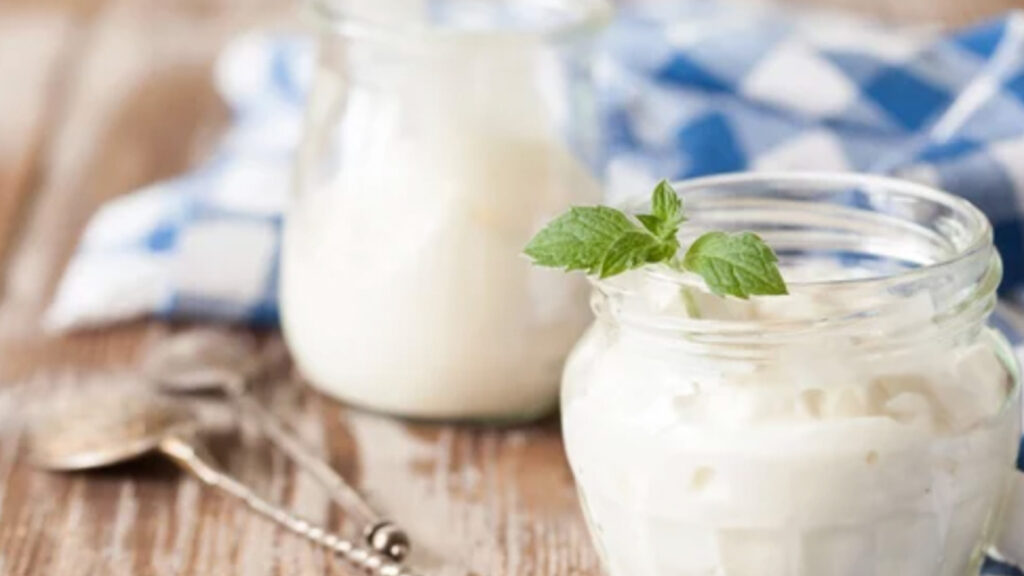
“Fermented foods are good for your skin.”
You’ve probably heard some version of this at least once.
Amazake, yogurt, kimchi.
All of them are familiar foods that somehow give the impression of being “good for you.”
But if you ask whether they really matter for your skin, it’s a little hard to say for sure. When it comes to beauty topics, the buzz sometimes runs ahead of the substance.
Lately, though, the connection between the gut and the skin — the so-called “gut-skin axis” — has been repeatedly discussed in review papers. Gut health is thought to potentially affect skin condition through inflammation, immunity, and metabolism, and fermented foods are drawing attention in that context as well.
In this article, we’ll gently walk through how fermented foods might relate to beauty, and how to naturally incorporate amazake, yogurt, and kimchi from a skin-health perspective.
Intestinal Bacteria Society (Public Interest Incorporated Foundation)
Fermented Foods Aren’t a Magic Beauty Food. But They Can Be a Foundation
The first important thing is not to think of fermented foods as **”something that instantly clears up your skin the moment you eat it.”** This isn’t about dark spots fading right away or pores disappearing overnight.
That said, fermented foods may, through microorganisms and their metabolic byproducts, potentially affect the state of gut health and inflammation. Disruptions to gut health have been linked to skin issues such as acne, rosacea, atopic dermatitis, and psoriasis, and the gut and skin are thought to influence each other in both directions.
In other words, the value of fermented foods lies not in immediate effects like applying something directly to the skin, but in quietly supporting an internal environment where the skin is less prone to trouble.
In our clinic’s terms, this is closer to an eating habit that nurtures a foundation your skin can bounce back to, rather than “aggressive” beauty care.
Amazake: Think of It as a Gentle Nutritional Supplement, Not a “Drinkable IV Drip”
Amazake is appealing for its gentle, fermentation-derived sweetness, and many people associate it with being good for the body. From a beauty perspective, though, there are a few points worth looking at calmly first.
There are several types of amazake, but rice-koji-based amazake generally contains sugars and amino acids produced during fermentation.
Because of this, it’s easy to incorporate as a light nutritional boost when your appetite drops, or as a gentle source of nourishment for those who tend to rely only on cold foods in the morning. Reviews have also noted that fermentation by microorganisms can change the nutritional properties and digestibility of foods more broadly.
Thinking about amazake from a skin perspective, it can be a reasonable, low-effort support for people who are prone to dryness, whose complexion tends to drop when fatigue builds up, or whose meals tend to be irregular.
That said, amazake is still just a food.
Since it also contains sugar, it’s more natural to think of it as a small adjustment to your snacks or breakfast, rather than “drinking a lot of it because it’s good for your skin.”
The more you’re concerned about cloudy or dull-looking skin, the more important it is to smooth out the ups and downs of your eating habits — more so than deciding “what to add.”
Yogurt: The Easiest “Beauty Habit From the Gut” to Keep Up
Among fermented foods, yogurt is one of the easiest to incorporate and sustain.
In fact, studies looking at yogurt intake and changes in gut microbiota have observed increases in yogurt-derived bacteria among people who eat yogurt.
Reviews addressing the relationship between probiotics, gut bacteria, and the skin have also shown that gut health may relate to skin condition through inflammation and immunity, and that probiotics may play a role in hydration, inflammation, and skin stability.
From a skin-health perspective, yogurt suits people who:
- Tend to experience recurring skin trouble
- Have significant fluctuations in bowel movements
- Eat out often or have irregular meals
- Want to start with a low-burden form of inner care
These are the kinds of people it suits.
That said, what matters here too is that yogurt itself isn’t a miracle cure.
Which strains suit you varies from person to person, and increasing your daily intake of a sugary product “for your skin’s sake” can easily backfire. That’s exactly why, if you’re choosing one, it’s better to go with something close to unsweetened, at a level you can sustain. The value of fermented foods lies in how easy they are to keep up, not in dramatic effects.
Kimchi: Its Strength Isn’t Just Gut Care — It’s Making It Easier to Balance Your Whole Diet
Kimchi is another highly popular fermented food.
It’s widely discussed that probiotics and fermented foods may affect gut health, inflammation, and metabolism, and kimchi is sometimes discussed within that same context.
From a beauty perspective, kimchi’s appeal isn’t so much that “kimchi itself is amazing,” but that it helps keep your overall diet from becoming monotonous.
For example, it’s:
- Something you can add a little of to a protein-light meal
- A natural way to incorporate fermented food
- Easy to pair with fiber-rich dishes
Used this way, it’s more practical than you might expect.
That said, depending on the product, kimchi can be quite salty or spicy, and for some people, it can irritate the stomach and intestines.
If you’re prone to redness, have rosacea-like skin, have a sensitive stomach, or tend to swell easily, it’s safer to keep the amount and timing modest.
Even something that “seems good for you” is a separate question from whether it suits your own tendency to react.
If You’re Incorporating Fermented Foods for Your Skin, “How You Keep It Up” Matters More Than “What You Eat”
When incorporating fermented foods for your skin, it’s tempting to want to know, “which one is best, in the end?”
But in reality, some people do well with amazake, others find yogurt easier to stick with, and for others, kimchi is what helps balance their overall diet.
What matters is less about finding the “correct” food and more about turning it into a habit you can actually keep up.
For example:
- If you tend to skip breakfast, use amazake or yogurt as a small “entry point” for adjusting things
- If your meals are monotonous, add a small amount of kimchi or other fermented food
- If your gut condition tends to show up on your skin, try continuing a small amount of fermented food every day
Small designs like these tend to matter more for your skin than you might expect.
While the gut-skin connection has been repeatedly shown in reviews, it’s also an area with a lot of individual variation.
That’s exactly why we think the perspective of “cultivating a lifestyle that’s less prone to skin trouble” rather than “searching for the food that works” feels more true to how Yokohama Yamate Clinic approaches things.
When to Stop Trying to Handle It With Diet Alone
Fermented foods are, after all, just about building an everyday foundation.
If:
- Redness or itching continues for a long time
- Acne or breakouts are getting worse
- Dryness and sensitivity are severe
- Dullness or a cloudy look doesn’t budge no matter what you eat
if any of these apply, it’s more natural not to try to resolve things through eating habits alone. Skin isn’t determined by the gut alone. Barrier function, sleep, hormones, UV exposure, friction, stress — many factors overlap to create your current skin impression.
That’s why, when needed, it’s important to separately consider inner care, skincare, and, where necessary, in-clinic care.
In Summary: Fermented Foods Support a “Foundation Less Prone to Trouble,” Rather Than “Directly Changing Your Skin”
Amazake, yogurt, kimchi.
It’s natural to think of all of them not as special beauty foods, but as candidates that support an internal environment where your skin is less likely to become unstable.
- Amazake, as a gentle nutritional supplement
- Yogurt, as an easy-to-sustain gut-care habit
- Kimchi, as an accent that helps balance your overall diet
Research into the relationship between fermented foods and skin is progressing, framed around connections through gut health, inflammation, and immunity.
Still, rather than expecting a dramatic beauty effect, it’s far more realistic to incorporate them as a quiet ally that gently adjusts your everyday eating habits.
At our clinic, we want to look at eating habits like these not as “beauty trends” to consume, but as part of building a lifestyle where your skin can stay in good condition more easily.
Not just beauty added from the outside, but also tending to your internal rhythm.