Pollen-induced redness, itching, breakouts… Rebuilding “unstable skin” | How to protect it starting in February

Every year, as this season approaches,
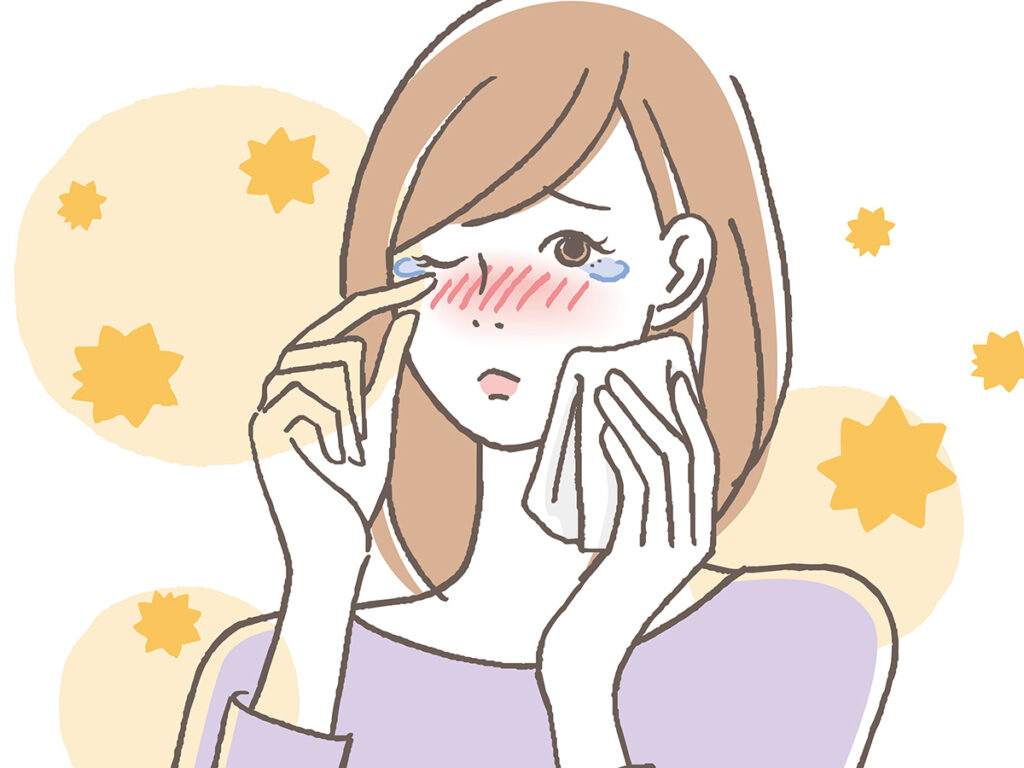
“My cheeks suddenly turn red,” “My skin feels itchy and stings during skincare,”
“I get more bumps—I can’t tell if they’re acne or eczema.”
These “unstable skin” concerns suddenly multiply.
You might think “hay fever only affects the eyes and nose,” but your skin is also significantly impacted by pollen more often than you’d expect.
====================
Fluctuating skin refers to an “unstable sensitive state” where the skin’s barrier function temporarily weakens due to seasonal changes, stress, or hormonal imbalances. This leads to daily symptoms like dryness, redness, itchiness, and breakouts. Primarily caused by seasonal or environmental shifts, it feels like your skin type has temporarily changed—often making your usual skincare products ineffective.
===================
This article explains from our clinic’s perspective
- What happens to your skin during pollen season
- Common Mistakes in Skincare
- Tips for “Protective Care” to Start in February
Let’s organize them.
1|What’s Happening to Your Skin During Pollen Season?
It’s less about pollen itself being “toxic” and more about the image of pollen, dryness, and friction compounding on skin with a weakened barrier, making inflammation more likely.
● These are the 3 main changes
- Decreased Barrier Function
Dryness + pollen + friction disrupt the stratum corneum, causing even normally tolerable cosmetics to sting or burn. - Prone to inflammation
Redness, itching, and flushing occur easily, leading to scratching → which further damages the barrier, creating a vicious cycle. - Disrupted Sebum Balance
This often leads to “combination skin issues”—like feeling dry yet having an oily T-zone, or having flaky cheeks but breakouts around the jawline.
2|Common Mistakes
NG① Scratching or rubbing persistently because it itches
When itching occurs, it’s hard to resist
- Touching unconsciously
- Scratch/rub it
these actions tend to increase.
However, friction alone can trigger inflammation.
It also makes redness, pigmentation, and worsening acne more likely.
Aim to “reduce the number of times your hands touch your skin” rather than “eliminate itching entirely.”
NG② Over-cleansing (Excessive Cleansing & Washing)
Wanting to remove pollen
- Washing your face multiple times
- Leaving strong cleansers on for too long
- Rubbing vigorously with a hot towel
These are patterns that wash away not only pollen but also sebum and moisturizing factors.
NG③ Continuously adding more “potent-sounding ingredients”
- High-concentration Vitamin C
- Peeling ingredients
- Retinol
- Scrub-infused cleanser / Toner with wipes
Even items you normally use without issue can sometimes act as “irritants” on skin experiencing fluctuations.
When experiencing “redness, stinging, or itching,” prioritizing “calming and protective” care over aggressive treatments is ultimately the fastest route to improvement.
3|The Basic 3-Step “Protection Method” Starting in February
Step 1|“Cleansing” is About Gentleness, Not Frequency
- After Coming Home: ・Quickly remove makeup with a gentle, low-friction cleanser ・If using a no-double-cleansing type, you can finish here (depending on skin condition)
- Use lukewarm water + well-lathered cleanser for washing. Imagine “rolling the foam” over your skin without rubbing.
- Use a towel to gently press and “transfer” moisture. Avoid rubbing vigorously.
“No tightness, no stinging” is the pass mark for pollen season.
Step 2|Keep your products simple & low-irritation
For skincare during the transition period,
- Lotion: Choose a type low in alcohol, fragrances, and other irritants
- Emulsion/Cream: Opt for light, non-greasy hydration applied in thin layers over rich formulas
- Eye and Lip Areas: Gently press products into skin without rubbing
On days when your skin feels slightly irritated,
- Avoid trying new products
- Reduce your routine by 1-2 products for a simplified approach
is one approach.
Step 3|Minimize External Stimuli
- Review Mask Material and Size Masks that are too tight or made of stiff material increase friction on your cheeks and around your mouth.
- On high pollen days, consider a “cloth mask + non-woven mask” double-layering option Placing a soft cloth mask against your skin with a non-woven mask over it can help slightly reduce direct friction and dryness for some people.
- After returning home, it’s best to quickly rinse off pollen not just from your face, but also from your bangs, nape, and neck area using a shower or a damp towel.
4|“Acne? Eczema?” Understanding Fluctuation Acne
The bumps that increase during pollen season are:
- Sebum-clogged type acne
- Inflammation/Eczema Mixed Type
…and other types. Even if they look similar, their underlying causes can differ.
● Common Mistakes with Fluctuating Acne
- Using only oil-free or light-textured products despite dry skin
- Over-applying peeling cleansers or acne products out of anxiety
- Treating inflamed, red areas the same as regular acne
When inflammation is severe, an approach focused on
calming inflammation and rebuilding the skin barrier may be needed before using acne treatment medications.
If you’re unsure whether it’s truly acne, it’s recommended to have a doctor examine it first, assess the condition, and then adjust your care routine.
5|Lifestyle Support for “Unstable Skin”
Don’t forget to regulate your body’s condition as well as your skin.
- Sleep: Start by adding “+30 minutes”
- Diet:
- Protein (meat, fish, eggs, soy)
- Vegetables and fruits containing vitamin C
- Fermented foods that regulate the gut (natto, yogurt, etc.)
- Hydration:
- Avoid relying solely on caffeinated drinks; drink water or non-caffeinated tea frequently
As internal inflammation subsides, skin redness and itchiness will also tend to improve.
6|When to Seek Medical Attention Instead of Self-Diagnosis
- Redness or itching is spreading rapidly
- Oozing, yellow scabs, or severe swelling are present
- Systemic symptoms like swelling around the eyes or difficulty breathing are present
- You suspect over-the-counter medications or self-care methods are worsening the condition
In such cases, it may not just be pollen; underlying issues like contact dermatitis, worsening atopic dermatitis, or infections could be present.
Rather than assuming “it’s probably just pollen, so I’ll wait and see,” consulting us early is often gentler on both your skin and your peace of mind in the long run.
7|Summary|February calls for the courage to hold back, protecting your skin for spring
During pollen season, “unstable skin” is characterized by:
- Reduced barrier function
- Increased susceptibility to inflammation
- Disrupted sebum balance
These factors combine to create a skin trial period of sorts.
What to do is simple.
- Avoid over-cleansing and rubbing
- Keep skincare “simple & low-irritation” rather than “adding more”
- Physically protect against masks, pollen, and dryness
- Calm inflammation from within through sleep, diet, and hydration
Even so,
if you find it hard to tell the difference between redness, itchiness, and acne,
or if you’re unsure what to stop and what to keep doing,
we can help you sort through your current skin condition, daily routine, and current skincare products. We can also assist you in creating a plan for how to get through this year’s pollen season.
Especially in February, when skin is prone to fluctuations, let’s focus on building a solid defense rather than pushing too hard.
We’d be delighted if you could use Yokohama Yamate Clinic as a place for easy, casual consultations.